

Disease · Rice
Rice blast: the patches in the paddy
Pyricularia oryzae
It is one of the most serious rice diseases in the world. It comes in patches. We fly the paddy and mark where it is, so you can scout it at the key stages.
We have not flown this problem ourselves yet. We work it out with you, on your field.
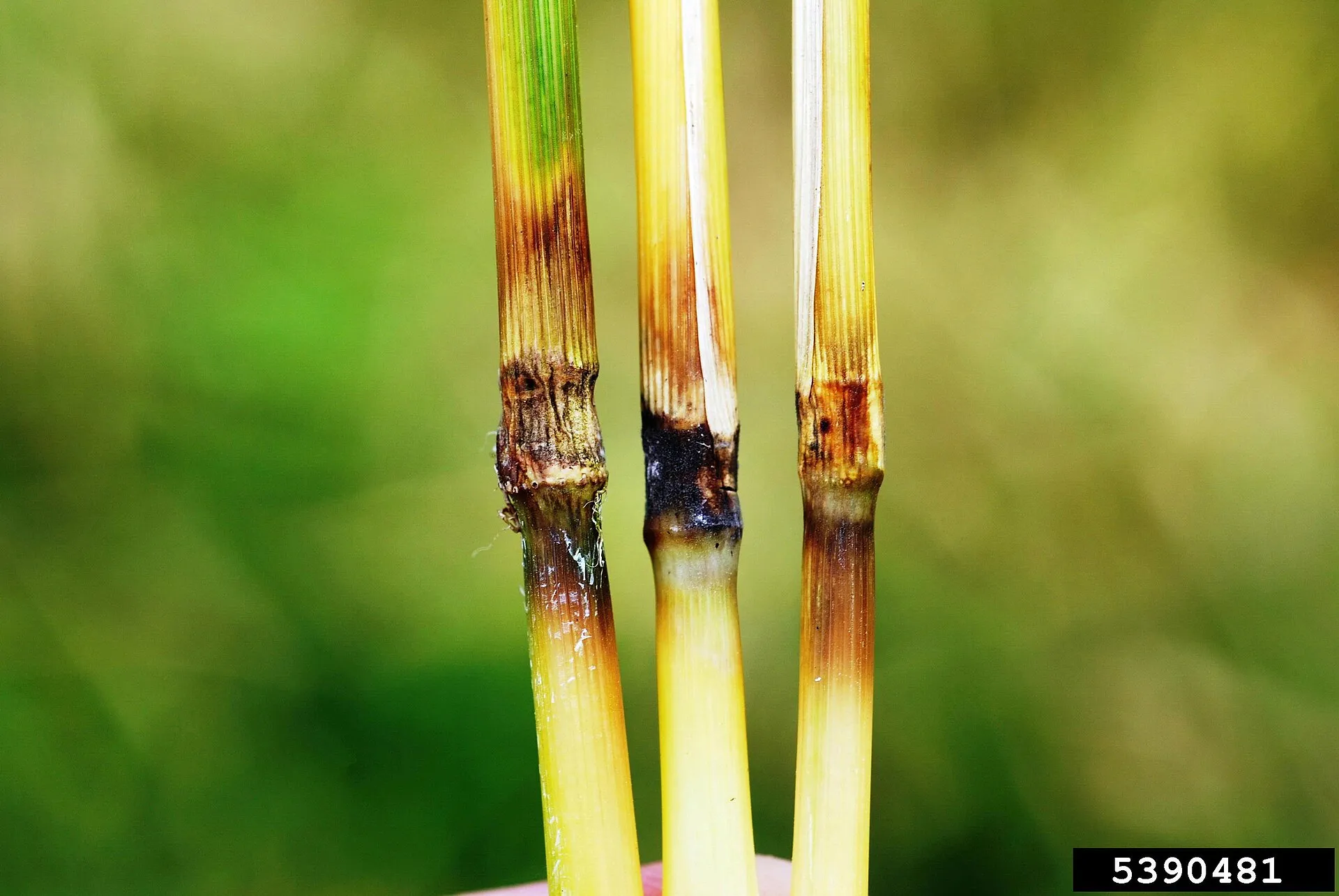
The problem
The panicle that comes out white and empty
On the leaf, stem and panicle, oval spots appear with a brown edge and a grey centre. The worst is when it attacks the neck of the panicle: if early, the panicle comes out white, upright and with empty grains.
The risk rises in mild weather, when humidity stays very high for long hours. Variety, excess nitrogen, seed and loss of the water layer also count. Resistance to some fungicides has been reported.
How it works
A flight to know where to look
1
We fly the paddy
From the end of tillering, when patches may already exist.
2
We send you the map
Patches of a different colour. There are drone studies, but they fly very low: at a normal flying height you see the large patch, not the spot on the leaf. You confirm on foot.
3
You scout
The key stages are the end of tillering, the first panicles and the milk stage of the grain.
Where it shows up
Where it appears
- Rice
In all rice-growing areas, especially in wet years.
What farmers ask us
Rice blast: field questions
Why does the spray fail?
Resistance to some fungicides has been reported. Ask your adviser how to rotate products.
How do I lower the risk without spraying?
By not overdoing nitrogen, keeping the water layer, and using healthy seed and less susceptible varieties.
Does the drone spray?
No. We do not spray: the drone makes the map. Treatment is up to you, with your own ground equipment.
Know someone this would help?
Send them this page. If they have rice blast in their fields, you save them some searching.