

Weed · Maize (corn)
Waterhemp: the plants that come up after your last pass
Amaranthus tuberculatus
Waterhemp does not come up all at once, so some plants always escape. We map those that stand above the crop and the places where they keep appearing.
We have not flown this problem ourselves yet. We work it out with you, on your field.
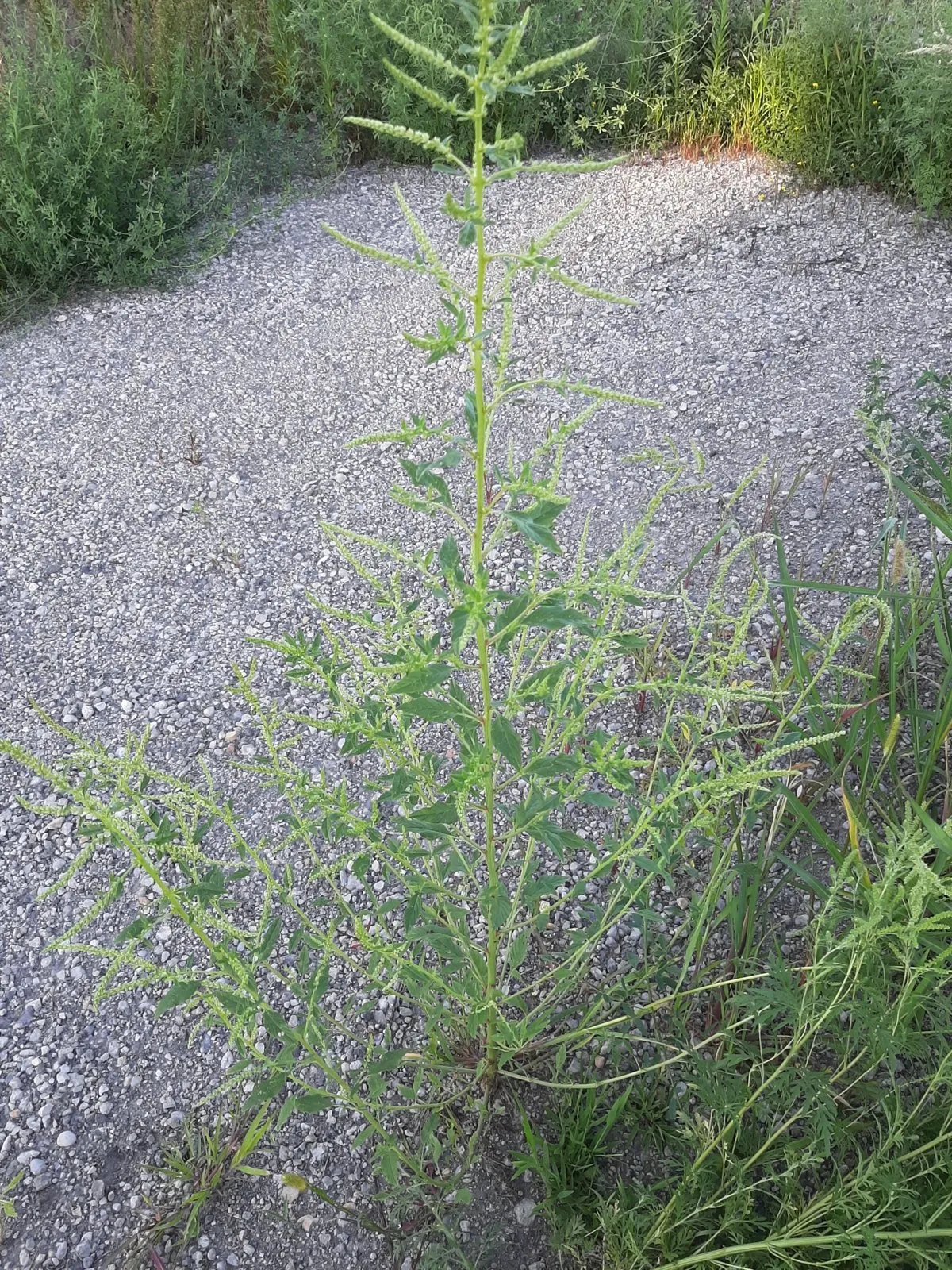
The problem
Late, many and resistant
Waterhemp is a summer annual that can reach 2.4 m (8 ft). Its germination and emergence run longer into the season than in most summer weeds, so one pass rarely catches all of it: sprays can fail on plants taller than 15 cm (6 in), and new plants emerge after the pass. It prefers poorly drained soils, so the patches often follow the wet parts of the field.
Resistance is the second problem. In Iowa it is the most widespread herbicide-resistant weed, with resistance to five herbicide groups: triazines, PPO, HPPD, ALS and glyphosate. It has separate male and female plants, which must cross-pollinate and keep the population genetically varied; that is part of why resistance builds up.
How it works
A map to see what is left
1
We would fly after your last pass
When the plants that escaped or emerged late stand above the crop. The date depends on your year and your crop; we tell you once we have seen your field.
2
You get the map
The plants and patches that rise above the crop, with their position. We do not tell waterhemp from other pigweeds from the air; you confirm on foot.
3
You decide field by field
Where it repeats year after year, which edges and wet spots to watch, and which plants to remove before they set seed.
A map every season shows whether the same places repeat. If waterhemp survives the same treatment in the same patch while it dies around it, suspect resistance; only a test confirms it.
Where it shows up
Where it shows up
- Maize (corn)
Stems are hairless and leaves are glossy and narrow, unlike redroot and smooth pigweed. Small waterhemp and Palmer amaranth plants are hard to tell apart: confirm on foot.
What farmers ask us
Waterhemp: your field questions
Do you fly in the US?
Not yet. In the US a local licence is needed and we do not have it, so we do not fly there. Write to us and we will tell you how we can work on your farm. What we do from anywhere is read your soil test and zone your field with satellite data.
Is it waterhemp or Palmer amaranth?
Waterhemp is glossier, with narrower leaves and slender seed spikes. Palmer amaranth has leaf stalks as long as or longer than the leaf and much longer seed heads. Small plants are hard to tell apart, and from a drone we cannot do it: it is confirmed on foot.
Why does it keep coming after I spray?
Because it emerges over a long period. A single pass catches what is up at that moment, and the next plants emerge afterwards. The map shows what stands above the crop once you have finished.
Which herbicide should I use?
It depends on the crop, and what is authorised changes from year to year. Before you spray, check in your country’s official pesticide register that the product is approved for your crop (in the UK, the HSE register of authorised products; in the US, the label registered with the EPA and your state), or ask us. We do not recommend products.
Does the drone spray?
No. We do not spray: the drone makes the map. Treatment is up to you, with your own ground equipment.
Know someone this would help?
Send them this page. If they have waterhemp in their fields, you save them some searching.