

Weed · Rice
Rice weeds: where the patches are
Echinochloa spp., Cyperus difformis, Leptochloa spp., Heteranthera spp.
In the paddy, weeds compete most when the rice is small. We fly the field and mark the patches, so you can check the water and the treatment there.
We have not flown this problem ourselves yet. We work it out with you, on your field.
The problem
Weeds that learn to resist
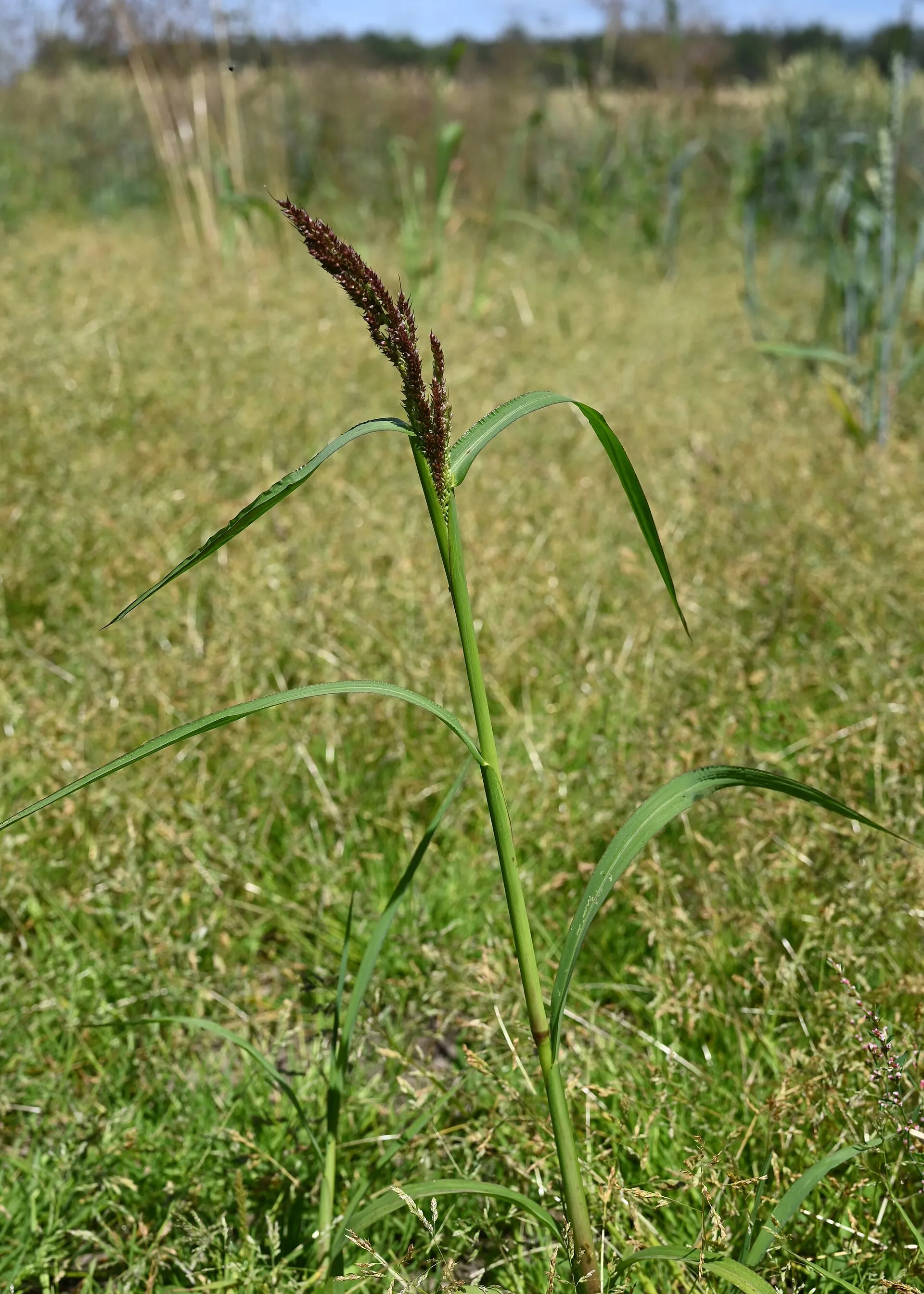
In rice paddies you find grasses such as barnyardgrass (Echinochloa), present in every area, and sprangletop (Leptochloa); sedges such as Cyperus difformis; and aquatic broadleaf weeds such as Heteranthera or Alisma. They compete for light and nutrients mostly at the seedling and tillering stages, and they cut yield and grain quality.
When the same type of herbicide is used year after year, resistance appears. Machinery and combines carry these resistant plants from one field to another.
How it works
A flight at the stage when they compete
1
We fly the paddy
When the rice is at the seedling stage or the start of tillering, which is when weeds do the most damage.
2
We send you the map
Patches with more vegetation than normal, with their position.
3
You check and act
You check on foot which weed it is and whether, in that patch, the water depth or the treatment failed.
If a patch survives the same treatment every year while the same weed dies around it, suspect resistance. A map from several seasons helps you see it.
Where it shows up
Where they show up
- Rice
What farmers ask us
Rice paddy: your field questions
How do I know if it is resistance or a failed treatment?
Suspect resistance if, next to dead plants of the same species, others stay healthy, or if control gets worse over the years. It is confirmed with a trial, after ruling out rate, timing or regrowth.
What can I do about resistance?
Do not always repeat the same type of herbicide, use a stale seedbed, sow certified seed and clean machinery when you move between fields.
Does the drone identify the species?
We know of no study that shows this with a standard camera. It marks where there is more weed; the species is checked on foot.
Know someone this would help?
Send them this page. If they have rice weeds in their fields, you save them some searching.