

Deficiency · Maize, wheat, barley, vegetables, fruit trees and vines
Nitrogen deficiency: apply it where it is needed
Not every part of the field needs the same amount. We fly before top-dressing (sidedressing) and tell you which zones are pale and which are well supplied.
We have not flown this problem ourselves yet. We work it out with you, on your field.
The problem
The same rate for zones that are not the same
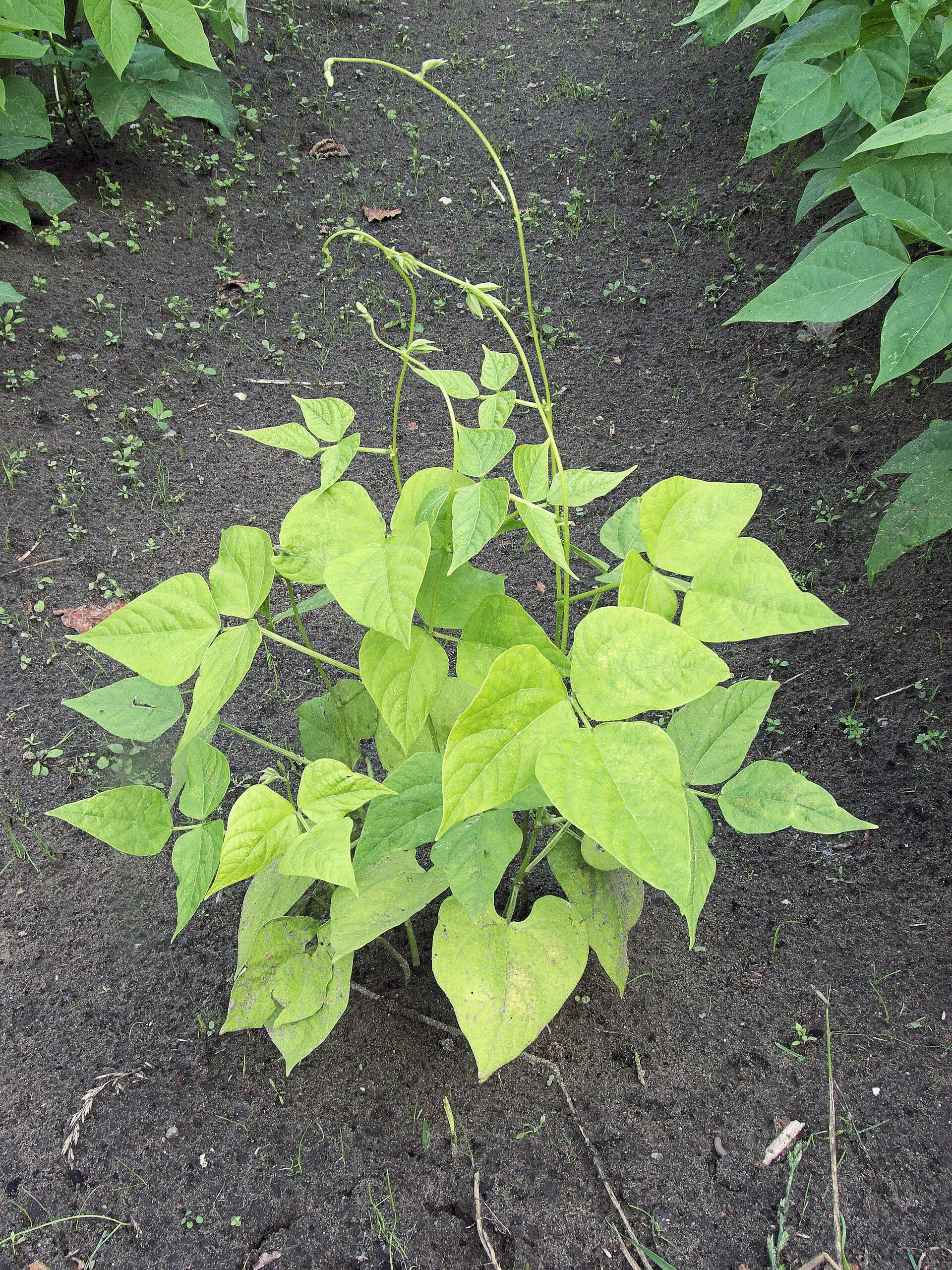
When nitrogen is short, the plant turns pale green and the oldest leaves yellow first; in maize (corn), in a V shape from the leaf tip along the midrib. It grows less and stays shorter.
The usual practice is to apply the same top-dressing across the field. But some zones are well supplied and others fall short. Where there is too much, the fertiliser (fertilizer) does not pay and can be lost; in cereals it also makes lodging more likely. Where it is short, yield is lost.
How it works
A flight before top-dressing
1
We fly before applying
In cereals, before the spring top-dressing. In maize, around the 6- to 8-leaf stage (V6 to V8).
2
We send you the map
Pale zones and strong zones. If your spreader supports it, in a format the tractor can read (variable rate, VRA/VRT).
3
You apply by zone
More in the pale zones, less in the strong ones. The total depends on each field; what changes is that it goes where it pays.
The colour says something is wrong, not always that it is nitrogen. That is why we cross the map with your soil test: it is what we do in our nutrient management plan.
Where it shows up
In almost every crop
- Maize (corn)
- Wheat
- Barley
- Oats
- Rice
- Olive
- Walnut
- Tomato for processing
- Lettuce
- Broccoli
- Artichoke
- Asparagus
- Bean
What farmers ask us
Nitrogen: field questions
How do I know it is nitrogen and not something else?
The map alone is not enough: a pale zone can be lack of water, waterlogging or compacted soil. You confirm by walking the zone and with the soil test.
My spreader doesn't do variable rate. Is it still useful?
Yes. You can change the rate by hand between two or three large zones. Even that spreads the nitrogen better.
What if I already apply what my fertiliser supplier recommends?
That rate is a recommendation for the whole field. The map tells you where to put it.
Know someone this would help?
Send them this page. If they have nitrogen deficiency in their fields, you save them some searching.